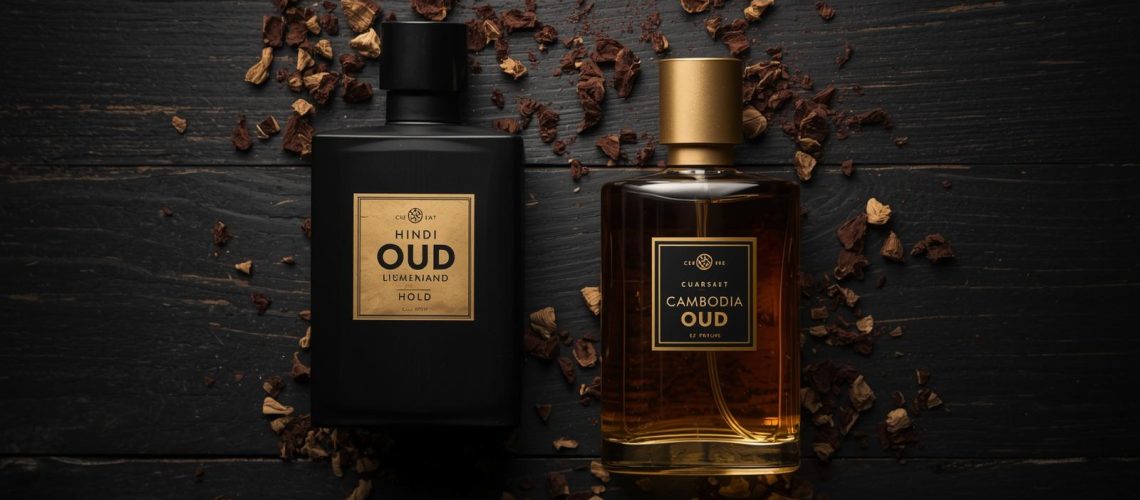
For most Dubai buyers, Cambodian Oud is the better choice for daily wear. Its sweet, fruity, and creamy character handles Dubai’s intense heat gracefully and suits offices, malls, and social settings without overwhelming anyone. Hindi Oud is the stronger choice for traditional occasions -formal Emirati gatherings, Eid gifting, Majlis settings, and buyers who specifically want the bold, animalic, leathery depth that has defined Gulf fragrance culture for centuries. Neither is objectively superior. They serve entirely different purposes. The wisest Dubai buyers, without exception, own both.
Hindi Oud vs Cambodian Oud -The Dilemma Every Dubai Shopper Faces
Picture this. You are standing inside a narrow perfume shop in Deira. The air is dense with smoke curling off burning wood chips. The shopkeeper sets two bottles on the counter in front of you -one nearly black, the other a warm amber gold. He dabs each one on a card and holds them toward you.
The first hits you immediately. Raw, smoky, leathery, and wild -like ancient earth wrapped in old wood. The second is something else entirely. Sweet, warm, and almost jammy -the kind of scent you want to wear at a late evening gathering.
Both are oud. Both are extraordinary. Both are expensive. And now you have to choose:
This is precisely the moment most Dubai shoppers freeze. Nobody told them that oud is not one thing -it is a world. Within that world, the two most debated, most purchased, and most misunderstood varieties are:
- Hindi Oud -from the ancient forests of Assam, India.
- Cambodian Oud -from Southeast Asia’s Aquilaria crassna trees.
This guide covers everything a Dubai buyer genuinely needs to know before spending a single dirham:
- The real science behind each oud’s unique scent character.
- How Dubai’s extreme climate changes which oud performs better on your skin.
- The true price reality -what things actually cost in 2026 and why.
- Where to find authentic oud in Dubai without getting misled.
- Which one is right for your specific lifestyle, occasion, and budget.
Dubai is not merely a good place to buy oud. It is arguably the finest place on earth to do so. The UAE and Saudi Arabia together lead global oud consumption, and the city has become a serious international trading hub for rare distillations sourced from across South and Southeast Asia. The global agarwood essential oil market was valued at over USD 140 million in 2024 (Persistence Market Research) and continues to grow steadily. With that cultural investment comes access to stocks that simply do not exist anywhere else in the world.
That access, however, comes with a significant catch. The more valuable a product is, the more counterfeits and misrepresentations follow. In a market where genuine wild oud can cost more per gram than 24-karat gold, knowing exactly what you are buying is not optional -it is essential.
What Is Oud? The Foundation Every Dubai Buyer Needs

Oud is not simply a fragrance. It is a biological event that takes decades to unfold inside a living tree.
When a tree from the Aquilaria species -native to South and Southeast Asia -becomes infected by a specific mold, the tree responds by producing a dark, dense, aromatic resin inside the surrounding heartwood. That resin-saturated wood is agarwood. The oil distilled from it is oud -called Dehn al Oud (دهن العود) in Arabic, which literally means “oil of the wood.”
What makes oud genuinely rare:
- Only a small fraction of wild Aquilaria trees ever develop the infection that triggers resin production.
- Resin formation takes 10 to 30 years under natural old-growth conditions.
- Wild forests that produced the best oud have been severely depleted by decades of over-harvesting.
- No plantation or laboratory process has fully replicated the complexity of wild old-growth oud.
This is the foundation of oud’s extraordinary pricing. According to Fatma Perfumes Dubai’s Agarwood Price Guide 2026, wild agarwood in premium grades commands upwards of AED 36,700 per kilogram in Dubai. The most authenticated aged grades trade at prices that make the gold comparison not marketing language -but provable mathematics.
The Three Forms of Oud Sold in Dubai -Know Before You Buy
This is the section most oud buyers never read, and the one that saves the most money. Dubai’s market sells three very different things under the single word “oud.”
-
Pure Oud Oil -Dehn al Oud (دهن العود)
- Oil distilled directly from infected agarwood heartwood with nothing added and nothing removed.
- Applied in a small dab to the wrist, it develops over hours, revealing progressively deeper scent layers.
- This is what serious collectors and connoisseurs specifically seek.
- The most expensive form available -and the most frequently misrepresented in tourist-facing shops.
If you are looking for genuine Dehnal Oud in Dubai, always buy from a house that is transparent about its composition, not simply one that uses the word “pure” on a label.
-
Oud-Based Attar
- A carefully crafted blend of pure oud oil with other essential oils -typically sandalwood, rose, musk, or amber.
- Many of Dubai’s most treasured traditional fragrances are attars. They are entirely legitimate and can be genuinely beautiful.
- The key for buyers: know you are purchasing a blend, not a single-source oil, so your price expectations are set correctly.
-
Synthetic Oud Blends
- Widely used in commercial perfumery because they are consistent, affordable, and scalable.
- Nothing inherently dishonest about synthetic oud -unless it is sold at the price of pure natural oil.
- The tell: genuine pure oud evolves dramatically over 20 minutes on skin. Synthetic blends smell identical from minute one to minute sixty. They have no layers to reveal because they were built with none.
Important note for buyers: Even major established perfume brands rarely offer 100% pure single-source distillations in their standard retail lines. Commercial oils are typically blended with plantation or wild oud, stabilised with other ingredients, and manufactured at scale. This is fine for everyday wear. But if you are spending significant money specifically for a single-source pure oud, ask directly and insist on a clear answer before paying.
Hindi Oud vs Cambodian Oud -A Tale of Two Origins
Before comparing them side by side, each oud deserves its own full portrait. The differences between them go far deeper than simply “one is stronger than the other.”
Hindi Oud -The Bold, Animalic King of Assam
There is a particular kind of confidence that Hindi Oud carries. It does not introduce itself quietly. It enters the room, settles in, and asks you to wait before you judge it.
Where Hindi Oud Comes From
Hindi Oud -also called Indian oud, Bengali oud, or Assam oud -originates from Aquilaria malaccensis and Aquilaria agallocha trees in the ancient forests of Assam, Northeast India, as well as parts of Bangladesh, Nagaland, Mizoram, and Manipur.
Key facts about Hindi oud’s origin:
- Both tree species are listed under CITES Appendix II -the international treaty regulating endangered species trade -meaning their commercial sale requires formal
 documentation.
 - Wild Agallocha trees in Assam are now nearly extinct in their natural old-growth state.
- Genuine pre-2010 wild distillations from Assam are authentic collectors’ pieces -not standard retail products.
- The Hindi oud sold in Dubai today is primarily sourced from cultivated plantation trees or carefully managed wild remnants.
What Makes Hindi Oud Smell the Way It Does
Hindi oud’s defining character -bold, smoky, animalic, leathery -comes from two forces working together:
- The tree’s chemistry: Aquilaria trees from Assam produce resin with a notably higher concentration of sesquiterpene compounds, including agarospirol and jinkohol -molecules directly responsible for the leathery, earthy, and animalic notes that make the Hindi profile so globally distinctive.
- The distillation method: Traditional Indian distillers soak harvested wood in water for several weeks before distillation -a deliberate fermentation process that breaks down organic compounds and releases the sour, barnyard-adjacent notes considered a hallmark of authentic Hindi oil. Steam distillation then follows at higher temperatures, intensifying the smoky character of the finished oil.
Hindi Oud on Skin -The Three-Stage Development
Most buyers make their most expensive oud mistake here: they smell Hindi oud for two minutes, find it challenging, and set it down. Those first two minutes are not the oil. They are the introduction.
The Opening (0 to 15 minutes)
- Smoke, raw leather, hay, and animalic depth.
- A slight medicinal edge that can feel challenging on first encounter.
- First-time buyers often recoil at this stage. Experienced collectors know to wait.
- This stage is not the oil. It is the test.
The Heart (15 to 60 minutes)
- The harsh edges begin to soften and integrate.
- Incense warmth, dark spices, tea-like sweetness, and rich leathery complexity emerge.
- This is where Hindi oud stops being confrontational and starts being commanding.
- This is the stage that earns its reputation.
The Base (60 minutes and beyond)
- A deep, warm, woody, resinous base that can persist for 8 to 12+ hours on skin.
- The animalic notes have fully integrated into a dignified, sustained warmth.
- Even the most initially sceptical noses tend to find this stage extraordinary.
- This is the stage people spend serious money for.
The 20-Minute Rule -The Single Most Important Habit in This Article Never buy any oud -Hindi or Cambodian -after smelling it for only two minutes. Apply it to your inner wrist (not the back of your hand, not a testing card), walk around the shop, and return after 20 minutes. The oil you smell at minute twenty is the oil you will be wearing for the next 8 to 12 hours. This single habit saves more buyers from regret than any other advice in this guide.
Why Hindi Oud Divides Opinion -and Why That Is Actually the Point
Hindi oud polarises even people who love oud. Here is the important insight: this is not a flaw. It is authentication.
- Synthetic oud and low-grade blends are engineered to be immediately pleasant and inoffensive -that palatability is what makes them commercially viable at scale.
- Genuine high-quality Hindi oud has no interest in pleasing you in the first minute.
- A Hindi oil that is pleasant from the very first second is likely freshly distilled, heavily diluted, or not pure Hindi oil at all.
- The challenging opening is the signature of a compound so chemically intricate that no perfumer has yet fully replicated it with synthetics.
Hindi Oud Quality Grades -What You Are Actually Paying For
Understanding the grade tiers protects buyers from overpaying for lesser quality -or unknowingly underpaying for something extraordinary.
| Grade | Source | Character | Dubai Price Signal |
| Wild-harvested | Old-growth Assam forests | Deepest complexity, irreplaceable | Requires written provenance |
| Cultivated plantation | Managed farms in India, Bangladesh, Bhutan | Good to excellent, more consistent | Current market standard |
| Freshly distilled | Any grade, newly processed | Sharper, more aggressive opening | Lower end of tier |
| Properly aged (5–10+ years) | Any grade, stored correctly | Rounder, more integrated, wearable | Premium within grade |
Key grades available in Dubai’s Hindi oud market:
- Wild-harvested (now a true collector’s category): Ask for written provenance documentation before paying. Legitimate wild-harvested stocks will have batch certificates.
- Cultivated plantation grade: The current market standard. Quality varies enormously -the best is excellent; the worst is not worth the price.
- Freshly distilled vs. aged: A freshly distilled Hindi oil has a sharper, more aggressive character. Oil stored properly for 5 to 10 years rounds out considerably -the medicinal edges soften and a deeper, more integrated warmth emerges.
If you are specifically looking for premium Hindi agarwood or the traditional Hindi Moori variety that has been a staple of Dubai’s oud culture for generations, understanding these grades before you walk into any shop will immediately raise the quality of every conversation you have with a seller.
Who Wears Hindi Oud in Dubai -and When
Hindi Oud carries specific cultural weight in the UAE. It is not a casual everyday fragrance for most buyers. It is the oud of formality, tradition, and deliberate statement-making.
- Majlis gatherings -formal Emirati sitting rooms where social and business life is conducted at its most traditional level.
- Eid and Ramadan celebrations -religious observances where fragrance is a cultural extension of how you present yourself publicly.
- Friday prayers and formal religious occasions -fragrance is considered an act of preparation and respect.
- Formal business meetings with Khaleeji executives and senior Gulf partners.
- Elder Khaleeji daily wear -among traditional Gulf men who grew up with Hindi oud as a constant presence in the home, it is simply part of how they show up in the world every single day.
Cambodian Oud -The Sweet, Refined Choice for Modern Dubai Life
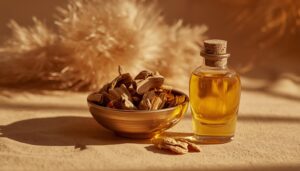
If Hindi Oud is the elder statesman of the oud world, Cambodian Oud is the diplomat. It travels effortlessly, offends no one, and in premium grades, it is breathtakingly beautiful.
Where Cambodian Oud Comes From
Cambodian oud originates from Aquilaria crassna trees found in the forests of Cambodia, with closely related oils from Laos, Vietnam, and Thailand. These trees grow in Southeast Asia’s humid tropical climate -a fundamentally different environment from Assam, with different soil chemistry, different fungal strains, and a distinctly different tradition of distillation.
Critical context every Dubai buyer should know:
- The original wild Aquilaria crassna forests of Cambodia were catastrophically overharvested between the 1970s and early 2000s.
- Oud experts estimate that less than 5% of the original wild Cambodian oud stock remains available on the global market today.
- What is labelled “Cambodian oud” in Dubai today comes from two sources:
- Plantation-grown Aquilaria crassna replanted in Cambodia and neighbouring countries -this is the current market standard.
- Cambodian-profile oils from Thai or Laotian trees, processed to approximate the classic Cambodian scent character -legitimate when accurately labelled, but frequently mislabelled in tourist-facing retail.
When a seller in Dubai prices their Cambodian oil as “wild Cambodian” and cannot produce documentation of origin, that claim deserves serious scrutiny.
What Makes Cambodian Oud Smell the Way It Does
Cambodian oud’s sweet, fruity, and creamy profile comes from a fundamentally different molecular composition compared to Hindi oud:
- Higher concentration of fruity ester compounds -responsible for the jammy, honeyed, plummy sweetness.
- Much lower concentration of animalic sesquiterpene compounds -explaining why it carries none of Hindi oud’s barnyard intensity.
- The humid tropical climate of Southeast Asia produces a resin rich in aromatic fruity molecules.
- Distillation uses shorter soaking periods or no soaking at all, at lower temperatures that preserve the delicate fruity top notes.
How experienced collectors describe Cambodian oud:
Ripe plum · Fig jam · Honey · Dried apricot · Brown sugar · Creamy warm wood
If Hindi oud is ancient forests and old leather, Cambodian oud is those same forests in fruit season -warm, generous, and open.
Cambodian Oud on Skin -The Three-Stage Development
The Opening (0 to 15 minutes)
- Immediately welcoming -sweet, jammy, fruity with honey undertones.
- No challenging phase to endure. No animalic opening to push through.
- First-time oud buyers consistently respond positively here.
- This is why it is widely called the “gateway oud.”
The Heart (15 to 60 minutes)
- The sweetness deepens and gains real complexity.
- A warm, creamy woodiness develops beneath the fruit notes.
- The base begins to show resinous depth.
- This stage separates excellent Cambodian oud from ordinary Cambodian oud. Lower-quality oils flatten out here. Quality oils gain nuance.
The Base (60 minutes and beyond)
- Warm, soft, resinous sweetness that wears close to the skin.
- Intimate projection -ideal for offices, malls, and close social settings.
- Longevity: 6 to 10 hours on skin, depending on skin type and oil grade.
- This close-wearing character is one of Cambodian oud’s greatest practical advantages in Dubai’s daily life.
How Cambodian Oud Went Global -and Why Dubai Was the Gateway
Something transformative happened in international fragrance culture in the early 2000s: Cambodian Oud became the oil that introduced oud to the world.
- Dubai’s perfume houses recognised that Cambodian oud’s sweeter, accessible profile could reach buyers whom Hindi oud could not.
- European and American luxury perfumers -Guerlain, Tom Ford, Maison Francis Kurkdjian -began incorporating Cambodian oud notes into their flagship compositions.
- Oud, once exclusively a Middle Eastern and South Asian tradition, became a defining global luxury fragrance category -and Cambodian oud was the bridge that made that expansion possible.
Who Wears Cambodian Oud in Dubai -and When
Cambodian oud has a significantly broader everyday audience in Dubai than Hindi oud. You will find it worn by:
- Young Emirati and Arab professionals in modern, air-conditioned office environments where Hindi oud’s projection would be too heavy.
- Expats from Western, Asian, and African backgrounds wanting to participate in Dubai’s oud culture without a demanding learning curve.
- Luxury tourists buying high-quality oud as a meaningful souvenir of Dubai and the Gulf.
- Female buyers across all backgrounds -Cambodian oud’s sweet, creamy character has earned a wide and loyal female following in Dubai, often worn blended with rose or musk notes.
- Hotel guests and hospitality environments -Cambodian oud is the hospitality industry standard for luxury hotel amenities because it pleases virtually any guest regardless of cultural background.
The Combodi Original Old Oud King range available in Dubai represents exactly this profile -sweet, aged, and deeply refined in character.
Cambodian Oud Quality Grades
- Wild-harvested (extremely rare, collector-grade): Pre-depletion wild Cambodian oud from Cambodia’s original forest regions. Requires deep expertise and significant financial commitment to find and verify authentically.
- Plantation-grown Aquilaria crassna (current Dubai market standard): Cultivated trees from Cambodia, Thailand, and Laos. Quality ranges from thin and synthetic-leaning at the low end to genuinely excellent at the premium end.
- Cambodian-style regional oil (common in mid-market): Oils from Thailand or Laos processed to approximate the classic Cambodian profile. Not fraudulent when labelled correctly, but frequently sold as Cambodian origin without that distinction being disclosed.
Hindi Oud vs Cambodian Oud -Full Head-to-Head Comparison
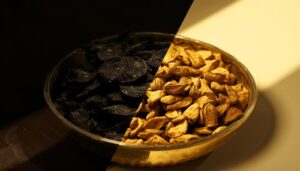
Here is the complete comparison for quick, practical reference:
| Factor | Hindi Oud | Cambodian Oud |
| Scent Character | Bold, smoky, animalic, leathery | Sweet, fruity, creamy, jammy |
| Intensity Level | Very high | Medium to high |
| Dubai Summer Suitability | Poor to moderate (best Oct–Mar) | Excellent -year-round |
| Best Occasion | Formal, traditional, Majlis | Daily wear, social, modern settings |
| Skin Projection (Sillage) | Heavy, wide radius | Moderate, intimate and close |
| Best Buyer Profile | Traditionalists, collectors, experienced wearers | First-timers, daily users, expats |
| Dubai Price Range (2026) | AED 500–5,000+ per tola | AED 300–8,000+ (wild grade) |
| Longevity on Skin | 8–12+ hours | 6–10 hours |
| Female Wearability | Niche -requires bold preference | Widely worn by women |
| Best For Gifting | Emirati/Khaleeji hosts, Eid, Ramadan | Mixed cultures, expats, younger recipients |
The important thing no table can fully convey: The contrast between Hindi oud and Cambodian oud is not subtle. If you smell them side by side in a shop, you will not struggle to tell them apart. They occupy entirely different fragrance territories. The challenge is not identification -it is knowing which one fits your specific life, occasions, and needs in Dubai.
Hindi Oud vs Cambodian Oud in Dubai’s Climate -The Comparison Nobody Else Writes
This section is absent from virtually every oud guide published online. It may be the single most practically useful thing a Dubai buyer can know before making a purchase decision.
Dubai’s climate is not perfume-neutral. In summer -running effectively from May through October -temperatures regularly exceed 40°C and can reach 46°C during peak afternoon hours. Even in cooler months, midday temperatures rarely fall below 20°C. Heat accelerates fragrance molecule evaporation, fundamentally changing how both ouds open, develop, and project on skin.
Hindi Oud in Dubai’s Heat -The Problem
At 40°C or above, Hindi oud’s volatile top-note compounds evaporate almost immediately. The result:
- The heavy animalic base compounds dominate from the very first minutes of wear -without the gradual transition that makes the Hindi drydown so rewarding in cooler climates.
- In enclosed air-conditioned spaces -offices, shopping malls, vehicles -this compressed intensity becomes a real practical problem.
- An oil that is magnificent worn outdoors in open air can become genuinely overwhelming inside a climate-controlled space.
- Experienced Emirati men who wear Hindi oud daily apply it with extreme restraint for this exact reason -one or two very small dabs is sufficient.
Seasonal guidance for Hindi oud in Dubai:
| Season | Temperature | Hindi Oud Recommendation |
| October to March | 22–30°C | Best season -full drydown unfolds naturally |
| April to September (daytime) | 35–46°C | Use with caution -reserve for evenings or open-air settings |
| Year-round evenings | Drops significantly after sunset | Appropriate for formal dinners, gatherings, outdoor terraces |
Cambodian Oud in Dubai’s Heat -Why It Thrives
Cambodian oud behaves fundamentally differently in heat -and the reason is chemistry. Its fruity ester compounds bloom in warmth rather than turning harsh. In Dubai’s summer:
- The sweetness intensifies pleasantly rather than becoming overpowering.
- The warm weather creates a natural slow-release effect that keeps the fragrance evolving beautifully for hours.
- It performs equally well in air-conditioned indoor environments that define Dubai’s summer daily life.
- This is why Cambodian oud became Dubai’s everyday choice. The climate itself selected for it over decades of oud culture.
Dubai’s Humidity Window -July to September
Dubai experiences elevated coastal humidity during these months. Both ouds are affected differently:
- Cambodian oud in humidity: The sweetness extends and deepens beautifully. Humidity slows evaporation and prolongs the pleasant middle-note phase -a genuine benefit.
- Hindi oud in humidity: The animalic notes can amplify to cloyingness in high humidity. Apply even more sparingly than usual and limit it strictly to evening wear during July through September.
Skin Chemistry -Why the Same Oud Smells Different on Two People
This is one of the least discussed yet most consequential aspects of buying oud in Dubai. The reason a recommendation from someone else only takes you so far is that oud interacts differently with every person’s skin.
Why Skin pH Matters for Hindi Oud
- Human skin pH typically ranges from 4.5 to 5.5 -slightly acidic.
- Skin trending toward the more alkaline end of that range can significantly amplify Hindi oud’s animalic compounds.
- The same oil that smells rich, warm, and commanding on one wrist can smell genuinely overpowering on another’s -not a quality difference in the oil, but a chemistry difference between wearers.
- Practical implication: If you loved Hindi oud on someone else’s skin, test it on your own wrist before purchasing.
Why Skin Oiliness Matters for Cambodian Oud
- Oilier skin mixes with oud oil and creates a natural slow-release mechanism -the fragrance blends with skin’s sebum and develops gradually over more hours.
- For Cambodian oud, this means the sweetness and woody base develop slowly, keeping the fragrance interesting throughout the day.
- For buyers with dry skin: Apply a light unscented moisturiser or a small amount of jojoba oil to skin before applying Cambodian oud. This extends longevity without altering the scent character of the oil.
The 20-Minute Testing Rule -Step by Step
This is not merely a suggestion. It is the difference between buyers who find their perfect oud and buyers who regret their purchase before they leave the car park.
- Ask the seller for a small application on your inner wrist -insist on skin, not a testing card.
- Walk away from the counter. Browse other products. Do not keep smelling your wrist every 30 seconds.
- Return after a full 20 minutes. The top notes have now faded and the heart notes are present.
- Smell your wrist again. Ask yourself whether the oil has evolved, deepened, and become more interesting -or whether it smells identical to what you smelled at minute two.
- If it has evolved, it is a quality oil. If it is identical, it is likely synthetic or heavily diluted.
- Only now, make your decision. Not before.
Hindi Oud vs Cambodian Oud -Price Reality Check for Dubai Buyers in 2026
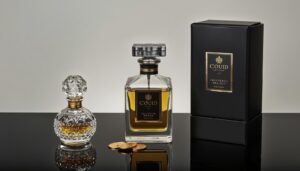
Oud pricing confuses first-time buyers primarily because the range is so extreme and the factors driving it are invisible without prior knowledge.
Why Oud Legitimately Costs More Than Gold
The arithmetic:
- 24-karat gold trades at approximately AED 230–250 per gram as of early 2026.
- Premium wild oud from documented sources routinely trades at AED 450–700 per gram or more in Dubai’s established houses.
- A one-tola bottle (11.66 grams) of authenticated wild Hindi oud from Assam can easily reach AED 5,000–8,000.
- At that price per gram: the gold comparison is verified fact, not marketing copy.
Why oud’s pricing is structurally justified:
- Wild agarwood takes 20 to 30 years to develop naturally inside a living tree.
- Only a small fraction of wild trees ever develop the infection that triggers resin production.
- The wild forests that supplied the best oud varieties have been severely depleted.
- No plantation or laboratory process has yet fully replicated the complexity of old-growth wild oud.
- Global demand continues to grow -the oud extracts market was valued at USD 1.89 billion in 2024 and is projected to nearly double by 2032 (Data Bridge Market Research).
Dubai Oud Price Tiers in 2026
Entry Level (AED 150–400 per tola)
- Commercial blends from established houses.
- Plantation-grade oud blended with synthetic ingredients or other essential oils.
- Consistent, pleasant, and legitimately labelled by reputable brands.
- Best for: First-time buyers, casual gifting, everyday fragrance wear.
Mid-Range (AED 400–1,500 per tola)
- Pure cultivated oud oils, single-region.
- Quality variation within this tier is significant -excellent oils and real disappointments both exist here.
- Knowing the seller and asking the right questions matters more at this tier than any other.
- Best for: Regular oud wearers stepping up from blends, fragrance gifts for oud-aware recipients.
Premium (AED 1,500–4,000 per tola)
- High-grade cultivated or semi-wild oud.
- Origin information, distillation method, and oil age should be provided as standard by any reputable seller.
- Best for: Serious collectors beginning to build a collection, high-value gifting for Khaleeji recipients.
Collector Grade (AED 4,000–10,000+ per tola)
- Wild-harvested, aged, or rare limited distillations.
- Provenance documentation at this price point is not optional -it is the baseline requirement of a legitimate transaction.
- If a seller cannot produce documentation, walk away regardless of how compelling the pitch is.
The Three Price Traps in Dubai’s Oud Market
Synthetic Sold as Pure
- Tourist-facing shops in high-traffic areas sell beautifully packaged synthetic oud blends at prices that imply something far more valuable.
- The tell: Genuine pure oud smells completely different at minute twenty than at minute two. Synthetic blends smell identical throughout. They do not evolve because they have no layers to reveal.
Vietnamese or Thai Sold as Cambodian
- Vietnamese and Thai oud profiles are related to Cambodian but distinctly different.
- Both are frequently sold in Dubai as “Cambodian” -sometimes with genuine misrepresentation, sometimes because sellers consider the profile label more commercially important than precise geographic origin.
- For buyers spending AED 1,000+ specifically for Cambodian oud, this distinction has real quality and value implications.
Freshly Distilled Sold as Aged
- Newly distilled oud and oud aged five or more years in proper storage are genuinely different in character and legitimate market value.
- Some sellers use ambiguous language -“mature,” “reserved stock,” “developed” -without specifying an actual distillation date.
- Ask the direct question: “When was this oil distilled?” Any evasive answer is informative in itself.
The Cost-Per-Wear Perspective
Before recoiling at the price of quality oud, run this arithmetic:
- A tola (11.66 grams) applied with a small wand in one or two modest dabs per use = approximately 80 to 100 applications.
- At AED 2,000 per tola: approximately AED 20–25 per wear for a fragrance lasting 10 to 12 hours on skin.
- Compare this to a designer eau de parfum at AED 600 for 100ml requiring generous reapplication throughout the day for comparable longevity.
- The cost-per-wear economics of quality oud are considerably more favourable than the upfront price suggests.
Where to Buy Authentic Oud in Dubai -A Practical Vetted Guide

Dubai has no shortage of places that sell oud. Finding a place that sells genuine oud at a fair price requires more specific knowledge. Here is an honest breakdown.
The Established Houses -Highest Confidence
Abdul Samad Al Qurashi (ASAQ)
- Founded in Mecca in 1932 -one of the most respected names in the global oud trade.
- Dubai locations: Mall of the Emirates, Dubai Mall, Ibn Battuta Mall, City Centre Deira.
- Reliably transparent about product compositions.
- Consistently willing to let customers test oils on skin with adequate time.
- Best for: Buyers who prioritise verified authenticity above all else. The benchmark for everything else.
Ajmal Perfumes
- A Dubai institution since 1951.
- Their Dahn Al Oud line is genuinely well-regarded among the international oud collector community.
- Best quality-to-value for pure oud oils at the entry-to-mid range.
- Knowledgeable staff at dedicated boutiques (more than at mall kiosks).
- Best for: First-time buyers of pure oud oil wanting quality without reaching collector-grade prices.
Swiss Arabian
- A contemporary Dubai house with a strong reputation for accessible, well-crafted oud products.
- Strong for buyers who want the oud experience without navigating the complexity of the pure oil market.
- Best for: Expats, first-time buyers, and anyone wanting pleasant guaranteed quality at entry-to-mid price points.
Arabian Oud
- One of the largest oud retailers in the Middle East with extensive Dubai presence.
- Wide selection of Cambodian oud blends at multiple price points.
- Best for: Mid-market buyers wanting a broad selection to compare across.
Deira and Murshid Bazar -For the Knowledgeable Buyer
The cluster of independent perfumers near the Gold Souk in Deira’s Murshid Bazar is where rare single-source oils from independent distillers can occasionally be found at prices meaningfully below what established retail houses charge for equivalent quality.
What to know before you go:
- Never rush. No genuine deal disappears in five minutes.
- Ask explicitly whether you are looking at pure oil or a blend before any other conversation.
- Apply to skin and insist on 15 to 20 minutes before agreeing to any price.
- Visit multiple shops before committing to any single purchase.
- Legitimate sellers welcome informed buyers. Evasiveness in response to direct questions about origin and composition tells you something important.
- Higher risk, higher potential. You can find excellent independent oils here -and you can also find the most aggressively misrepresented products in Dubai’s market. Knowledge is the difference.
If you are in the Deira and Murshid Bazar area, it is worth knowing that Rose Valley Perfumes has two branches right in this neighbourhood -one near Masjid Thani Bin Khaif on Murshid Bazar and a second opposite Gold Night Hotel at Al Buteen (Gold Souk Gate No. 2). You can browse their full agarwood collection in person and test oils on skin with their team’s guidance, or explore their Hindi Moori agarwood and Hindi Sollah selections side by side before deciding.
The Buyer’s Authentication Checklist Before Any Purchase
Before paying for any oud above AED 400 from any Dubai seller, ask these five questions:
- “Is this pure oud oil or does it contain a carrier oil or other essential oils?” Both are legitimate -you simply need to know which you are paying for.
- “Is this from wild-harvested or cultivated wood?” Wild commands higher prices and requires documentation.
- “What is the approximate distillation date?” Aged oils priced as aged should have batch records.
- “What tree species and origin region is this from?” Cambodian should be Aquilaria crassna. Hindi should be Aquilaria malaccensis or Aquilaria agallocha from India.
- “May I test this on skin?” Every legitimate house answers yes without hesitation.
Apply to your inner wrist and wait a full 20 minutes. An oil that has evolved, deepened, and become more interesting at minute twenty than it was at minute two is a quality indicator. An oil that smells identical or has faded to almost nothing has also told you something important.
Hindi Oud vs Cambodian Oud for Gifting in Dubai -Getting the Cultural Context Right
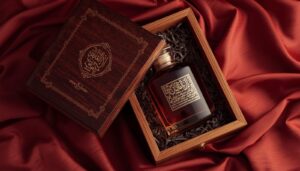
Gifting oud in the UAE is a serious cultural act. The fragrance you give someone communicates your understanding of them, your respect for the occasion, and your own cultural awareness. Getting the choice wrong is noticeable to anyone deeply embedded in Gulf culture.
When to Gift Hindi Oud
Hindi oud is the correct choice in these specific gifting contexts:
- For Emirati and Khaleeji hosts: Invited to an Emirati home, a formal gathering, or a Majlis? A quality Hindi oud from a recognised house signals that you sought out something genuinely traditional rather than defaulting to the easiest option.
- For Eid and Ramadan gifting: The holy month and Eid celebrations are peak oud gifting season in Dubai. Hindi oud -particularly aged or premium grades -is the appropriate fragrance register for these occasions.
- For senior Khaleeji business relationships: Where a Western luxury brand would read as generic, a quality Hindi oud from a well-regarded house signals genuine cultural intelligence and respect.
- For older recipients with deep roots in Gulf fragrance culture: Hindi oud will be recognised and appreciated by this generation in ways that even an excellent Cambodian oil may not fully match.
Minimum budget for Hindi oud as a meaningful gift in Dubai: AED 500. Below this level, it is difficult to source something that reads as a thoughtful, respectful gift rather than a casual souvenir. Explore premium Hindi oud options for a starting reference on what a gift-quality agarwood actually looks and feels like.
When to Gift Cambodian Oud
Cambodian oud is the right choice when the context is cross-cultural, when the recipient is new to oud, or when the relationship calls for warmth and approachability over formality:
- For international colleagues and business contacts: Significantly more likely to be enjoyed and actively worn by Western, Asian, or non-Arab recipients who may not be familiar with oud.
- For younger Dubai residents under 35: Regardless of background, this generation has largely grown up with Cambodian oud as their oud reference. A quality Cambodian oil will be immediately understood and appreciated.
- For anniversary and wedding gifting: Cambodian oud’s sweet, warm, generous character suits romantic and celebratory occasions far better than Hindi oud’s more austere traditional character.
- As an introduction to oud culture: When you want to introduce someone to Gulf fragrance culture for the first time, Cambodian oud is always the right starting point. Hindi oud as a first oud is too often someone’s first and last oud.
For beautifully presented oud gifts, Rose Valley’s Bukhoor and Oud Muatter collection offers traditional gifting formats -particularly the bakhoor gift sets -that are especially well-received at Emirati and Khaleeji formal occasions.
Presentation Matters -Because the Box Is Part of the Gift
In Dubai’s gifting culture, packaging communicates the respect invested in a gift before the recipient even encounters the fragrance:
- Look for: Crystal or heavy glass bottles in lacquered wooden boxes, Arabic calligraphy presentation, velvet or silk pouches.
- Ask the seller to prepare gift packaging if it is not displayed ready -most established houses accommodate this request.
- Avoid: Standard retail packaging with price stickers visible. In formal gifting contexts, this diminishes the gesture regardless of the quality of the oud inside.
The Collector’s Perspective -Investment Value and Aging
For buyers thinking about oud as a long-term acquisition, the comparison between Hindi and Cambodian oud takes on additional dimensions that most guides never address.
Can Oud Appreciate in Value?
Yes -under specific conditions -and more reliably for Hindi oud than Cambodian oud.
The case for Hindi oud as a store of value:
- Wild Aquilaria malaccensis and Aquilaria agallocha trees in Assam are now nearly extinct in old-growth form.
- CITES Appendix II restrictions have significantly constrained new supplies of genuinely wild-harvested Indian oud entering international markets.
- A verified pre-2000 distillation from wild Assam trees cannot be reproduced ever. Supply is permanently fixed.
- The global oud extracts market is growing at a projected CAGR of 8.90% through 2032 (Data Bridge Market Research).
- Fixed supply + growing global demand = a legitimate structural case for value appreciation.
How Aging Changes Each Oud Over Time
Hindi oud aged 10 or more years:
- The harsh, medicinal top notes that challenge first-time buyers gradually soften and integrate in storage.
- The animalic compounds round out without disappearing.
- What was confrontational becomes commanding.
- The full depth is fully retained while wearability improves dramatically.
- This transformation is why serious collectors specifically seek aged Hindi oud.
Cambodian oud aged 5 or more years:
- The initial simple sweetness of fresh plantation Cambodian oud gives way to something considerably more layered.
- A deeper resinous character emerges and integrates with the sweetness.
- The best properly aged Cambodian oud is considered by serious collectors to surpass fresh wild Cambodian in overall depth and complexity.
Documentation to Request Above AED 2,000
At serious price points, documentation separates a verifiable acquisition from an expensive guess:
- Batch distillation certificate -specifying the date of distillation and source region.
- Wood origin certificate -identifying the tree species and country of origin.
- CITES permit copy -required for any claimed wild-harvested product covered by CITES regulations.
- House provenance letter -written confirmation from the selling house of the representations made about the oil.
Any seller at collector-grade prices who cannot produce documentation has given you the most important information they could possibly provide.
The Verdict -Which Is Better for Dubai Buyers?
Here is the definitive answer, clearly broken down by buyer profile:
| Your Situation | The Right Choice |
| New to oud | Cambodian Oud -always start here |
| Daily wear in Dubai’s summer heat | Cambodian Oud -climate-proof and year-round |
| Attending traditional Emirati gatherings | Hindi Oud -culturally expected and respected |
| Gifting a Khaleeji host | Hindi Oud -most culturally resonant choice |
| Budget under AED 400 | Cambodian plantation grade -better value at this tier |
| Maximum longevity and projection | Hindi Oud -10–12+ hours is decisive |
| Building an oud collection | Start with Cambodian, then add Hindi |
| Investment-grade purchase | Wild Hindi Oud with full provenance documentation |
The deeper truth:
- Hindi oud and Cambodian oud are not competitors. They do not occupy the same fragrance space, serve the same occasions, or speak to the same moments in daily life.
- Choosing between them permanently is like deciding to own either formal clothes or casual clothes -and only one of the two.
- The correct answer, when you are ready for it, is both.
If you can only begin somewhere: Cambodian oud will meet you where you are. Hindi oud asks you to rise to meet it. And once you understand what that means, the effort will have been entirely worth it.
Ready to explore both? Browse the full agarwood and oud collection online, or visit Rose Valley Perfumes in person at their two Deira locations in the Murshid Bazar and Gold Souk area -where their team can help you test oils on skin and find exactly what suits your taste and occasion. You can also reach them directly via the contact page or on WhatsApp for personalised guidance before you visit.
Frequently Asked Questions
What is the difference between Hindi oud and Cambodian oud?
Hindi oud comes from Aquilaria trees in India’s Assam region -bold, smoky, animalic, and leathery, driven by a fermentation-based distillation process and high sesquiterpene content. Cambodian oud comes from Aquilaria crassna trees in Southeast Asia -sweet, fruity, and creamy, shaped by gentler distillation and higher ester content. The profiles are unmistakably distinct from one another.
Which oud lasts longer -Hindi or Cambodian?
Hindi oud lasts longer, typically 8 to 12+ hours on skin due to its heavier molecular base compounds. Cambodian oud typically lasts 6 to 10 hours and wears more intimately close to the skin. Both significantly outlast conventional spray perfumes.
Is Hindi oud stronger than Cambodian oud?
Yes, considerably. Hindi oud is more intense in sillage, projection, and animalic character. Cambodian oud is softer, sweeter, and far more approachable. For enclosed Dubai spaces like offices or air-conditioned cars, Cambodian oud is the practical choice. Hindi oud is better suited to open settings, traditional gatherings, and formal occasions.
What does Hindi oud smell like?
Hindi oud opens with smoke, raw leather, animalic earthiness, and a slight medicinal barnyard edge. Over 15 to 60 minutes it develops into rich incense, dark spices, and deep leathery warmth. The base is woody, resinous, and long-lasting -up to 12+ hours.
What does Cambodian oud smell like?
Cambodian oud smells sweet, fruity, and warm -described as ripe plum, fig jam, honey, dried apricot, and creamy warm wood. It is immediately pleasing, approachable, and wearable in almost any setting. It is widely considered the best starting oud for first-time buyers.
Which oud is more expensive -Hindi or Cambodian?
Both reach extraordinary prices in premium wild grades. At the collector level, rare wild Cambodian oud can actually exceed even premium Hindi oud pricing -because less than 5% of the original wild Aquilaria crassna stock remains globally. At the mid-market level in Dubai, quality Hindi oud generally runs slightly higher than comparable plantation Cambodian oud.
Which oud is best for daily use in Dubai?
Cambodian oud. Its sweet, fruity profile handles Dubai’s intense heat well -warmth actually enhances the sweetness rather than amplifying it into something overwhelming. It suits offices, malls, and all the air-conditioned environments that define Dubai’s daily professional and social life.
Can women wear Hindi oud?
Yes. Oud is not gendered in Gulf culture -worn freely by both men and women. Hindi oud’s bold, animalic character tends to find a stronger following among women who prefer powerful, statement-making fragrances. Women who prefer sweeter or softer profiles generally find Cambodian oud more compatible.
Is Cambodi oud the same as Cambodian oud?
Yes. “Combodi” or “Cambodi” is simply the traditional Arabic trade spelling of Cambodian -referring to the same Aquilaria crassna-based oud profile from Southeast Asia. You will encounter both spellings on labels and in conversation across Dubai’s perfume houses and souks.
Where can I buy authentic oud in Dubai?
For guaranteed quality and authenticity: Abdul Samad Al Qurashi, Ajmal Perfumes, Swiss Arabian, or Arabian Oud. For a wider range including rare regional varieties at competitive prices, the Murshid Bazar and Gold Souk area in Deira has the highest concentration of serious oud sellers in the city -including Rose Valley Perfumes, with two branches in this neighbourhood and an extensive agarwood range available both in-store and online.
A Final Word on the Experience Itself
Buying oud in Dubai is not merely a transaction. The best version of it involves sitting with someone who genuinely knows the subject, smelling things you have never encountered before, having your assumptions quietly revised, and leaving with something that continues to reveal itself on your skin for the rest of the day.
Three final rules before you go:
- Do not rush. Do not buy on the first hour of your first visit.
- Smell at multiple shops, on your own skin, at different times of day.
- The goal is not simply to buy the right oil. It is to understand why it is right for you.
The oud culture in Dubai rewards patience and genuine curiosity far more generously than urgency ever does.
And once you find your oil, you will understand why people have been arranging their lives around this particular smell for the better part of a thousand years.